
Subspace Tunnel AR Experience
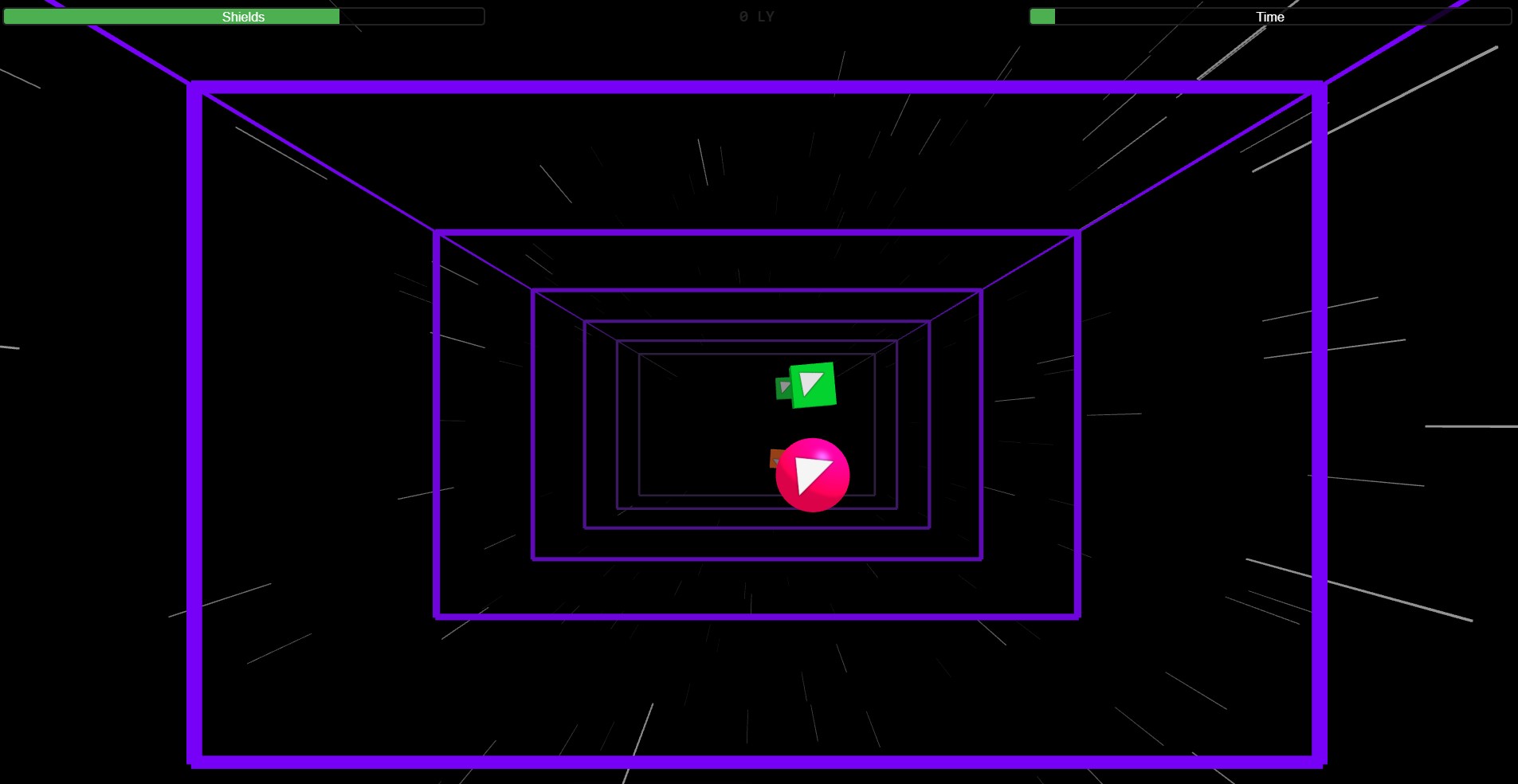
Swipe or click along the arrows to clear cosmic anomalies.
Do not let them breach the ship's hull!
Hull Breached
Distance Traveled: 0 LY
Human fascination with the cosmos has always driven the creation of incredible concepts surrounding space travel and dimensional displacement. The idea of entering a cosmic gateway and traversing vast distances across the galaxy in a matter of seconds is no longer confined to the pages of classic science fiction. Today, immersive simulations allow enthusiasts to step into the shoes of a starfighter pilot and experience the exhilarating rush of cosmic navigation firsthand. This guide explores the core concepts of high-velocity transit through spatial anomalies, providing valuable reference material for anyone looking to master the art of deep space survival.
Contents
The Concept of Subspace Tunnels and Dimensional Gateways
A subspace tunnel is a theoretical rupture in the continuum that links two distant points in the universe, bypassing ordinary physical limitations. Within these celestial corridors, conventional laws of motion are suspended, replaced by dynamic forces that require constant vigilance and precise maneuvers. Visualizing these gateways involves understanding a complex array of shifting neon boundaries, radiant energy fields, and stretching star streaks that signify immense velocity. Navigating such an environment is a test of pure reflex and situational awareness, where the margin for error is incredibly slim.
🚀 As an observer moves deeper into the cosmic corridor, the surrounding reality begins to distort. Shifting color spectrums indicate changes in the underlying energy density of the tunnel. Brilliant purples and neon blues create a mesmerizing backdrop, but they also outline the safe containment fields of the passage. Straying beyond these luminous borders can result in immediate structural instability, making it vital to remain centered within the designated flight path while advancing through the galactic sectors.
Core Reference for Spatial Navigation and Sector Hazards
To safely navigate the complex pathways of an interstellar portal, pilots must familiarize themselves with different sector classifications and environmental conditions. The following reference tables outline the critical metrics required for successful transit across the galaxy.
Table 1: Velocity Thresholds and Sector Dynamics
| Sector Classification | Velocity Index | Anomaly Density Level |
|---|---|---|
| Alpha Quadrant | Low Baseline Velocity | Minimal Distortion Risks |
| Beta Zone | Moderate Acceleration | Standard Particle Debris |
| Gamma Rift | High Velocity Transit | Frequent Geometric Shifts |
| Delta Void | Maximum Warp Speed | Severe Reality Degradation |
| Epsilon Core | Unstable Hyper Velocity | Critical Cosmic Turbulence |
| Zeta Terminus | Absolute Boundary Speed | Extreme Quantum Fluctuation |
Table 2: Environmental Anomalies and Threat Assessments
| Anomaly Type | Visual Indicator | Recommended Action |
|---|---|---|
| Crystalline Debris | Glowing Neon Cubes | Execute Swift Precision Strike |
| Plasma Orbs | Radiant Floating Spheres | Align Vector and Clear Path |
| Boundary Fluctuations | Flickering Frame Elements | Center Vessel Immediately |
| Temporal Drag | Shifting Color Palettes | Maintain Steady Momentum |
| Quantum Fractures | Stretching Light Streaks | Anticipate Immediate Obstacles |
| Chronos Inversion | Rapid Cosmic Flash | Heighten Reflexive Awareness |
Operational Rules for Advanced Cosmic Pilots
Surviving the treacherous depths of a three dimensional space simulation requires strict adherence to specific flight protocols. Experienced cosmic navigators utilize a structured approach to ensure their defensive systems remain operational throughout the entire duration of the journey.
- Prioritize structural alignment over absolute velocity to minimize the risk of catastrophic energy depletion.
- Monitor the color transitions of the containment frames to anticipate sudden environmental changes in advance.
- Utilize expansive viewing configurations to maximize peripheral awareness and eliminate unnecessary distractions.
- Track your progress utilizing the distance indicators measured in light years to gauge the transition between sectors.
- Develop a consistent mechanical rhythm to avoid overcorrecting when steering through narrow cosmic corridors.
- Acknowledge that obstacle density scales dynamically alongside your score, requiring deeper focus over time.
- Maintain full control over your steering apparatus during high-velocity warp phases to prevent boundary collisions.
- Recognize the unique orientation of approaching directional markers well before they reach your immediate proximity.
The Aesthetics of Warp Drive and High-Velocity Transits
The visual splendor of a stable hyperspace jump is one of the most captivating aspects of modern space simulations. When the propulsion systems achieve maximum efficiency, the surrounding stars stretch into brilliant, elongated bands of light. This phenomenon, commonly referred to as the warp effect, provides an incredible sensation of forward momentum, making the observer feel as though they are genuinely piercing through the fabric of empty space. The contrast between the dark void and the vibrant neon lines creates a striking artistic balance that enhances the overall immersion.
🌈 Dynamic illumination plays a critical role in guiding the pilot through the chaos of a dimensional tunnel. Every glowing frame and flashing energy beam serves a functional purpose, acting as a visual guidepost in an otherwise unpredictable environment. The periodic shifting of the entire color scheme prevents sensory adaptation, keeping the user alert and responsive to incoming challenges. This masterful combination of light and motion transforms abstract scientific concepts into a breathtaking interactive spectacle.
Defensive Matrix Configurations and Vessel Upgrades
To withstand the constant friction of sub-spatial transit, vessels must be equipped with adaptable defensive measures. Managing these systems efficiently determines how far a pilot can travel before the structural integrity of the ship faces a critical compromise.
Table 3: Defensive System Classifications
| System Component | Operational Function | Efficiency Rating |
|---|---|---|
| Standard Kinetic Shield | Absorbs Minor Particle Impacts | Baseline Protection Matrix |
| Neon Energy Barrier | Mitigates Severe Boundary Friction | Advanced Thermal Resistance |
| Quantum Hull Reinforcement | Prevents Total Structural Collapse | Maximum Durability Index |
| Tachyon Deflector Field | Diverts Upcoming Space Hazards | High Frequency Interception |
| Subspace Anchor Matrix | Stabilizes Flight Trajectory | Optimal Vector Alignment |
Psychological Conditioning for Extended Deep Space Travel
- Steering a starfighter through an endless corridor of swirling lights and sudden obstacles demands exceptional mental stamina. Navigators frequently encounter a psychological state known as velocity hypnosis, where the repetitive passing of geometric structures numbs the reflexes. Overcoming this mental hurdle requires a combination of focused breathing and active visual scanning across the entire viewport. By consciously tracking both immediate threats and distant alignment frames, pilots can maintain peak cognitive performance for much longer periods.
- Auditory immersion also plays an indispensable role in maintaining focus during intense interstellar flights. The rhythmic hum of a warp core provides a comforting baseline, grounding the mind amid chaotic visual inputs. Sudden sound cues, such as the crisp resonance of a successful obstacle clearance or the alarming tone of a shield breach, deliver immediate feedback that triggers instant physical responses. This harmony of sight and sound ensures that the human element remains perfectly synchronized with the swift pace of the digital cosmos.
The Evolution of Immersive Spatial Simulations
The desire to explore uncharted cosmic territories has driven technological innovation for decades, moving from simple two dimensional grid displays to complex three dimensional environments. Modern alternative reality frameworks allow creators to build experiences that feel incredibly tangible, blurring the line between mathematical theory and visceral reality. As these platforms continue to advance, the complexity of sub-spatial environments will only grow, offering future explorers even deeper levels of interactive fidelity and cosmic wonder.
Ultimately, the true appeal of an interstellar portal simulation lies in its ability to fulfill a universal human dream. It grants anyone the opportunity to break free from earthly limitations and pilot a vessel through the magnificent, terrifying beauty of a folding universe. By mastering the concepts of velocity management, defensive configuration, and spatial awareness outlined in this reference manual, future pilots can confidently step into the void and claim their place among the stars.

Julian D. Thorne — Celestial Mechanics Developer
Researcher and 3D engine developer focused on interactive stellar systems. Julian bridges the gap between theoretical physics and real-time browser-based cosmos exploration.


